Subscribe to AI newsletter
Your data is completely secure with us. We don't share it with anyone.
Enhance blurry or low-resolution images with HD Photo Converter. Upscale photos, improve clarity, and create sharper images online with AI.
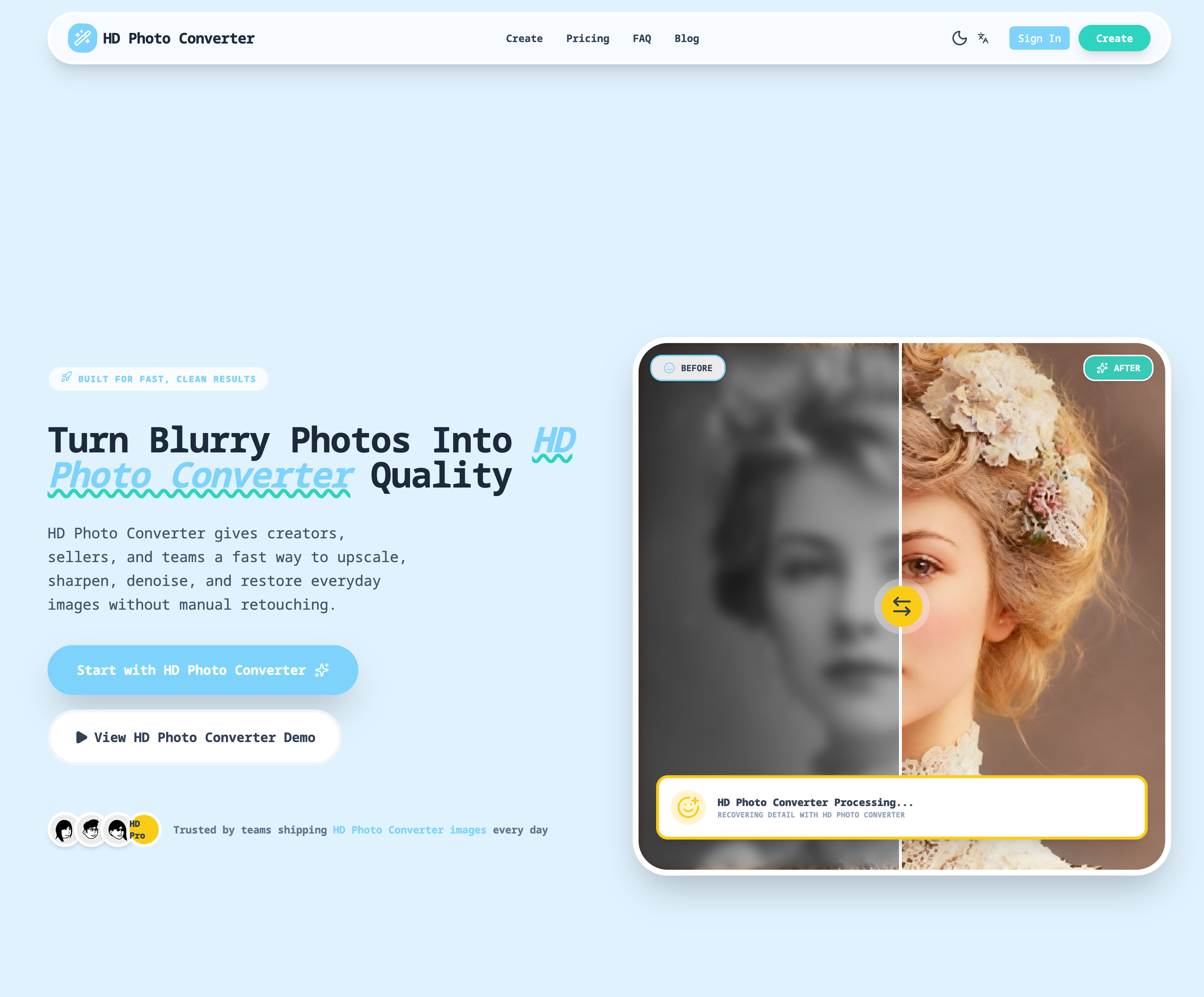
In today’s highly visual digital environment, having access to a reliable AI tool for image enhancement is becoming essential for creators, eCommerce sellers, agencies, and marketing teams. HD Photo Converter positions itself as one of the most practical solutions in the growing category of Image Generation technology by combining AI-powered restoration, sharpening, denoise cleanup, portrait recovery, and super-resolution enhancement into one streamlined workflow. Instead of relying on time-consuming manual editing, HD Photo Converter helps users transform blurry or low-quality images into clean, high-definition assets within seconds.
One of the biggest strengths of HD Photo Converter is its ability to deliver fast and consistent results. Users simply upload JPG, PNG, or WEBP files, run the AI enhancement process, preview the improvements, and download polished HD images almost instantly. Compared to traditional editing workflows that may require 15–30 minutes per image, this AI tool dramatically reduces production time while maintaining professional-quality output. For businesses handling large image volumes, this speed advantage can significantly improve publishing efficiency and reduce editing costs.
The platform’s super-resolution technology is especially valuable for eCommerce and marketplace sellers. HD Photo Converter enlarges low-resolution product photos while preserving texture, edge detail, and overall clarity. This makes it highly useful for upgrading supplier images that do not meet modern storefront quality standards. In competitive online marketplaces where visual presentation directly affects click-through rates and buyer trust, tools like HD Photo Converter can provide measurable business value.
Another major highlight of this Image Generation platform is its balanced approach to denoise and sharpening. Many automated enhancers produce overly artificial results with harsh halos or unrealistic textures, but HD Photo Converter focuses on maintaining natural-looking detail. Skin texture, fabrics, packaging, and portrait elements remain visually authentic while noise and compression artifacts are reduced. This balance makes the tool suitable for both professional branding projects and everyday content publishing.
Portrait and face recovery capabilities further strengthen the appeal of HD Photo Converter as an advanced AI tool. The platform intelligently restores facial detail from compressed or low-light images without making faces appear fake or overprocessed. Content creators, social media teams, and advertising agencies use HD Photo Converter to maintain consistent identity quality across profile images, campaign creatives, and branded visuals. This is particularly important in modern social publishing workflows where image quality strongly influences audience perception.
HD Photo Converter also performs well in archive restoration scenarios. Families and studios can restore old scans and damaged portraits with improved contrast, reduced noise, and sharper details. By automating restoration logic, the platform makes photo recovery accessible even for users without professional editing skills.
Overall, HD Photo Converter demonstrates how modern AI tool platforms are transforming the Image Generation industry through automation, speed, and scalable visual enhancement. Its combination of super resolution, facial recovery, denoise cleanup, and commercial-ready consistency makes it an excellent solution for businesses, creators, agencies, and personal users who want high-quality images without the complexity of manual retouching.
Drop JPG, PNG, or WEBP images into HD Photo Converter and start immediately. HD Photo Converter handles typical files from mobile cameras, marketplace exports, and cloud folders.
HD Photo Converter analyzes blur, noise, and texture loss, then rebuilds detail in seconds. HD Photo Converter balances sharpness and realism so results remain natural instead of overprocessed.
Compare before and after, validate quality, then export final assets. Teams publish HD Photo Converter outputs to ads, product pages, and social channels with minimal additional editing.
What makes HD Photo Converter different from simple upscalers?
HD Photo Converter does more than stretch pixels. HD Photo Converter inspects blur patterns, compression damage, edge integrity, and portrait areas before rebuilding missing detail. This process helps HD Photo Converter produce cleaner texture and more believable sharpness than basic enlargers. Teams usually adopt HD Photo Converter when they need reliable output quality across product photos, social media assets, and campaign images without heavy manual retouching.
Is HD Photo Converter suitable for product catalogs and marketplaces?
Yes. HD Photo Converter is widely used for listing image cleanup and standardization. HD Photo Converter helps sharpen product boundaries, reduce noise, and improve readability of visual details that influence buyer trust. Operations teams prefer HD Photo Converter because it shortens editing cycles and supports high-throughput publishing. When catalog volume grows, HD Photo Converter keeps consistency strong while reducing the amount of file-by-file correction work.
Can HD Photo Converter improve portraits without making faces look fake?
HD Photo Converter is optimized to recover facial detail while keeping identity natural. HD Photo Converter balances skin texture, eye sharpness, and contrast so outputs look clean but not overly plastic. Creative teams trust HD Photo Converter for profile photos, creator branding, and campaign visuals where authenticity matters. In daily use, HD Photo Converter helps reduce retouching time while preserving a realistic look across varied input quality.
How does HD Photo Converter help social and content teams?
Social teams use HD Photo Converter to improve source quality before platform compression reduces detail again. HD Photo Converter prepares clearer base assets for feeds, stories, shorts, and ad creatives. Agencies adopt HD Photo Converter because it speeds up delivery and keeps visual standards consistent across clients. With HD Photo Converter in the workflow, teams can publish more often while protecting brand image quality under tight schedules.
Can HD Photo Converter restore old scans and family photos?
Absolutely. HD Photo Converter is effective on aging prints and low-resolution scans that need careful detail recovery. HD Photo Converter improves contrast, sharpness, and texture while reducing noise from old storage formats. Families and studios use HD Photo Converter to preserve meaningful memories in cleaner digital form. For archive projects, HD Photo Converter offers a practical balance of speed, quality, and consistent output across mixed source conditions.
Is HD Photo Converter ready for commercial production?
Yes. HD Photo Converter is designed for business workflows where consistency, speed, and scalability matter. Brands use HD Photo Converter for storefront media, paid campaigns, and client deliverables that require high-definition presentation. As long as source rights are properly managed, HD Photo Converter outputs can be used in commercial contexts. Many teams standardize around HD Photo Converter to reduce revision loops and improve on-time publishing performance.
How fast is HD Photo Converter in day-to-day operations?
HD Photo Converter typically completes enhancement in seconds, making it practical for continuous production. HD Photo Converter reduces queue time by automating repetitive corrections that would otherwise require manual editing. Marketing and design teams choose HD Photo Converter when they need quick turnaround without sacrificing output quality. In busy cycles, HD Photo Converter helps teams maintain publishing velocity while keeping visuals clean and trustworthy.
Share practical notes and help others evaluate this tool.
No comments yet. Start the conversation.


Explore curated Codex skins, save favorites, and customize Codex Desktop on macOS or Windows with native UI preserved.
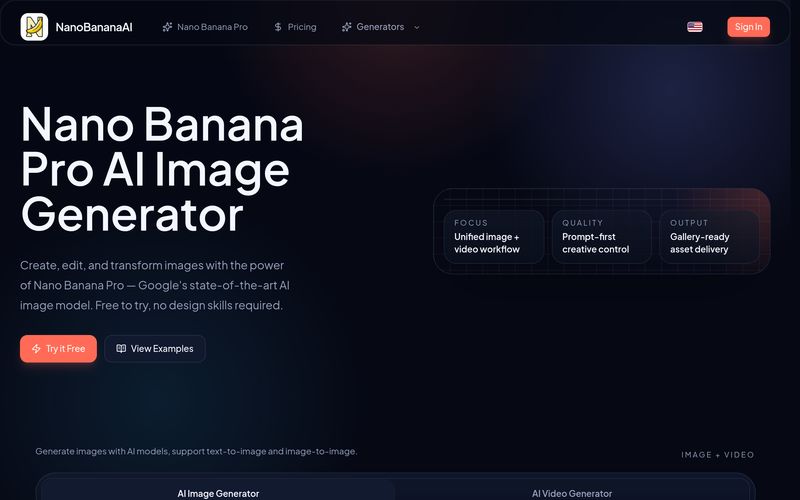
NanoBananaAI is a free AI image generator powered by Nano Banana Pro, Google's advanced image model. Create, edit, and transform stunning visuals with natural language prompts. No design skills needed.

Create faceless reels from an idea or script. Review the hook, voiceover, visuals, captions, and scene plan before generation.
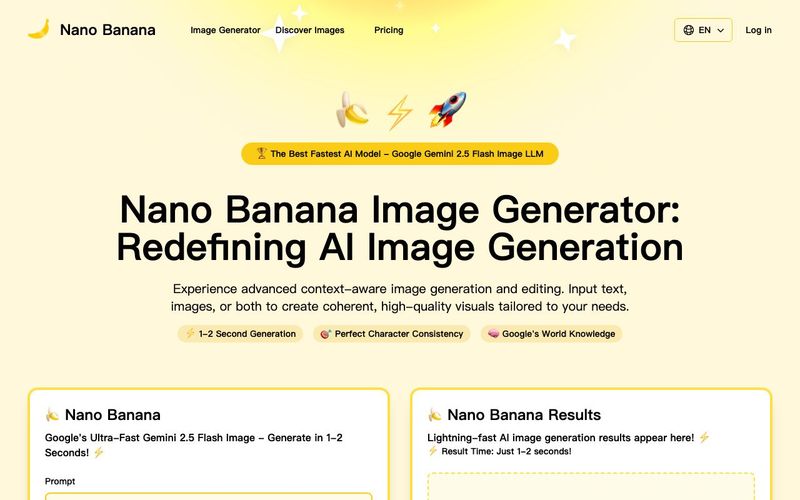
Discover Nano Banana, the next-generation multimodal model for context-aware image generation and editing. Combine text and image prompts to create, edit, and refine visuals with unmatched consistency and style.


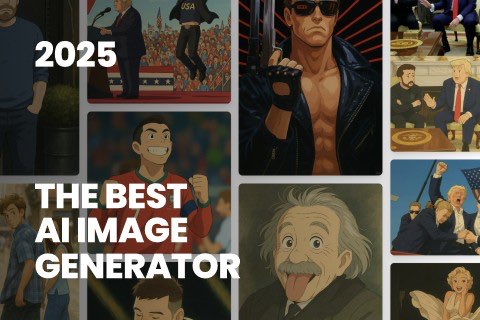
This comprehensive guide explores the best AI image generators available in 2026, highlighting their unique features, strengths, and ideal use cases. We'll dive deep into each tool's capabilities to help you identify which AI image generator best suits your creative needs.
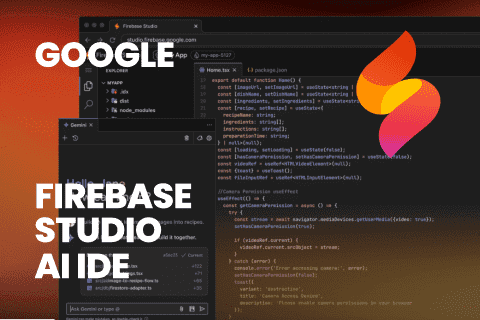
Google has just launched a powerful AI IDE code editor — now you can really vibe while coding
The best AI Model And AI Tools in 2026,The Most Popular Free AI Model And AI Tools.