Subscribe to AI newsletter
Your data is completely secure with us. We don't share it with anyone.
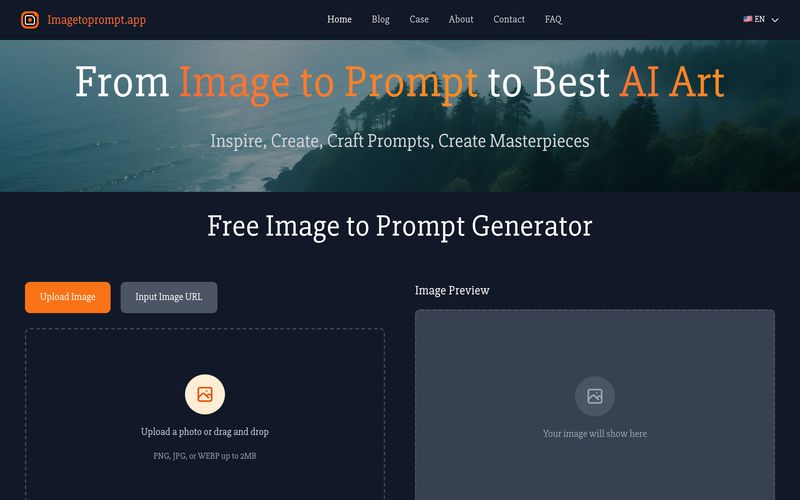
Upload an image or image URL.
Select the language of the generated prompt words.
Click the "Generate Prompt Words" button.
Wait for a few seconds to generate the prompt words.
Image to Prompt offers one of the simplest yet most practical workflows among today’s AI tool platforms, especially for creators focused on Image Generation. While many AI art tools require users to master complicated prompt engineering techniques, Image to Prompt removes much of that learning curve by transforming existing visuals into detailed AI-ready prompts within seconds. Its streamlined “How to Use” process makes it highly accessible for beginners while still offering strong creative value for professional artists, marketers, designers, and content creators.
The first step of using Image to Prompt is remarkably simple: users upload an image or paste an image URL. This flexibility makes the AI tool useful for many different creative scenarios. Whether someone wants to recreate an existing art style, analyze successful AI artwork, reverse-engineer a competitor’s visual direction, or simply gain inspiration from reference images, the upload system allows users to start immediately. Unlike traditional prompt-writing workflows that require manual experimentation, Image to Prompt begins by understanding the image itself, saving users considerable time in the Image Generation process.
The second step involves selecting the language for the generated prompt words. This multilingual capability is one of the platform’s strongest advantages.
Instead of limiting users to English-only prompt generation, Image to Prompt supports multiple languages, making the AI tool more globally accessible for creators, agencies, and businesses. For international teams managing multilingual creative campaigns, this feature can significantly improve collaboration and content localization. Whether generating prompts in English, Chinese, Spanish, or other supported languages, users can adapt AI-generated content to different audiences more efficiently.
The third step is clicking the “Generate Prompt Words” button, where the real strength of the platform becomes clear. Rather than producing a generic image description, the AI tool analyzes important visual elements such as character appearance, scene composition, artistic style, lighting, atmosphere, background details, color palette, and emotional tone. This deep analysis transforms visual content into detailed prompts suitable for modern Image Generation models such as Midjourney, Stable Diffusion, Flux, and DALL·E. For users struggling with prompt engineering, this dramatically reduces guesswork and helps produce more accurate creative outputs.
After clicking generate, users only need to wait a few seconds before receiving high-quality prompt suggestions. The speed of the platform is particularly impressive for creators handling multiple projects or rapid content production cycles. Instead of spending hours refining prompts manually, Image to Prompt helps users instantly build stronger AI art instructions, boosting creative productivity and reducing repetitive experimentation.
Another major benefit of this workflow is accessibility. No registration, login, or technical expertise is required, making the AI tool easy for beginners to adopt. At the same time, advanced creators can leverage the system to improve style consistency, refine artistic direction, and better understand how AI models interpret visual information.
Overall, Image to Prompt stands out as a highly efficient AI tool for Image Generation workflows. Its easy upload system, multilingual prompt support, rapid AI analysis, and beginner-friendly design make it a valuable solution for anyone looking to generate more accurate prompts and create better AI-generated visuals with less effort.

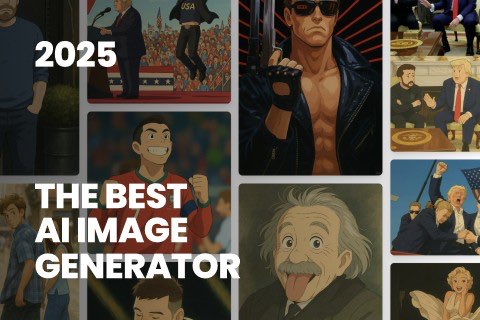
This comprehensive guide explores the best AI image generators available in 2026, highlighting their unique features, strengths, and ideal use cases. We'll dive deep into each tool's capabilities to help you identify which AI image generator best suits your creative needs.
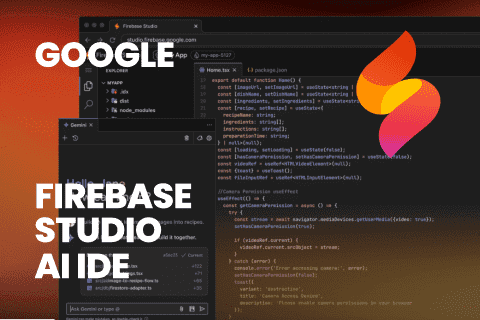
Google has just launched a powerful AI IDE code editor — now you can really vibe while coding
The best AI Model And AI Tools in 2026,The Most Popular Free AI Model And AI Tools.