Subscribe to AI newsletter
Your data is completely secure with us. We don't share it with anyone.
![FLUX.2 [max] Image Generator](https://oss.allinai.tools/allinai/fe108c7d-8a8d-47b3-9a75-3f87cc1a6b2a.jpg)
Use the site as a FLUX.2 [max] prompt gallery and workflow reference. You can browse example prompts, open category hubs, inspect tag pages for narrower visual angles, and move into the generator when you are ready to test your own version.
Usually yes. A few minutes in the gallery gives you better prompt structure, clearer visual language, and less blind trial-and-error once you start generating.
Cases are individual prompt examples. Category pages group examples by broader jobs like product photography, character work, or design references. Tag pages go narrower around a specific subject or style cluster.
Yes. The strongest workflow is to reuse the prompt structure, then swap in your own subject, scene constraints, material details, or editing instructions rather than copying everything verbatim.
Yes. Many examples are useful for edit-style requests, not just blank-page generation. Look for cases that show cleanup, relighting, composition changes, surface refinement, or reference-led revisions.
Start with a category page that matches your job, open two or three examples, then test a prompt in the playground or generator.
In the rapidly evolving world of Image Generation, many users struggle with one common problem: getting high-quality results without wasting time on endless prompt experiments. This is where a practical AI tool like FLUX.2 [max] becomes especially valuable. Instead of functioning as only a traditional image generator, the platform provides a more structured and workflow-driven approach that helps creators improve prompt quality, visual consistency, and creative efficiency.
One of the strongest aspects of this AI tool is its prompt gallery and workflow reference system. Rather than starting with a blank page, users can explore example prompts, category hubs, and tag-based visual references before generating their own images. This makes the Image Generation process feel much more intentional and less dependent on random trial and error. Spending just a few minutes browsing successful examples can help users better understand prompt structure, visual language, and stylistic direction before moving into the generator.
Another major advantage is how the platform organizes content through cases, categories, and tags. Individual cases provide real prompt examples, while category pages group broader use cases such as product photography, character design, or visual references. Tag pages allow users to go deeper into a specific visual style or subject. This structure makes it easier for creators to discover inspiration and find workflows that match their exact project needs.
The platform also encourages a smarter prompt strategy. Instead of copying prompts word-for-word, users are guided to reuse prompt structures while replacing subjects, materials, composition rules, or editing details. This approach leads to stronger personalization and more reliable results in Image Generation.
Beyond standard generation, this AI tool also supports image editing workflows. Users can find examples for relighting, cleanup, composition adjustments, texture refinement, and reference-led revisions, making it useful for both original creation and iterative editing.
For beginners, the learning curve feels approachable. New users are encouraged to start with category pages, study a few examples, and then test prompts gradually inside the generator. Overall, this makes FLUX.2 [max] a highly practical AI tool for creators who want a more guided, efficient, and professional approach to Image Generation.


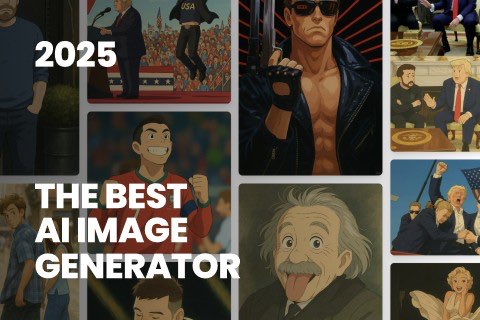
This comprehensive guide explores the best AI image generators available in 2026, highlighting their unique features, strengths, and ideal use cases. We'll dive deep into each tool's capabilities to help you identify which AI image generator best suits your creative needs.
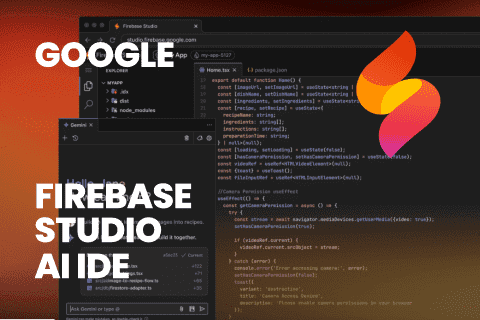
Google has just launched a powerful AI IDE code editor — now you can really vibe while coding
The best AI Model And AI Tools in 2026,The Most Popular Free AI Model And AI Tools.