Subscribe to AI newsletter
Your data is completely secure with us. We don't share it with anyone.
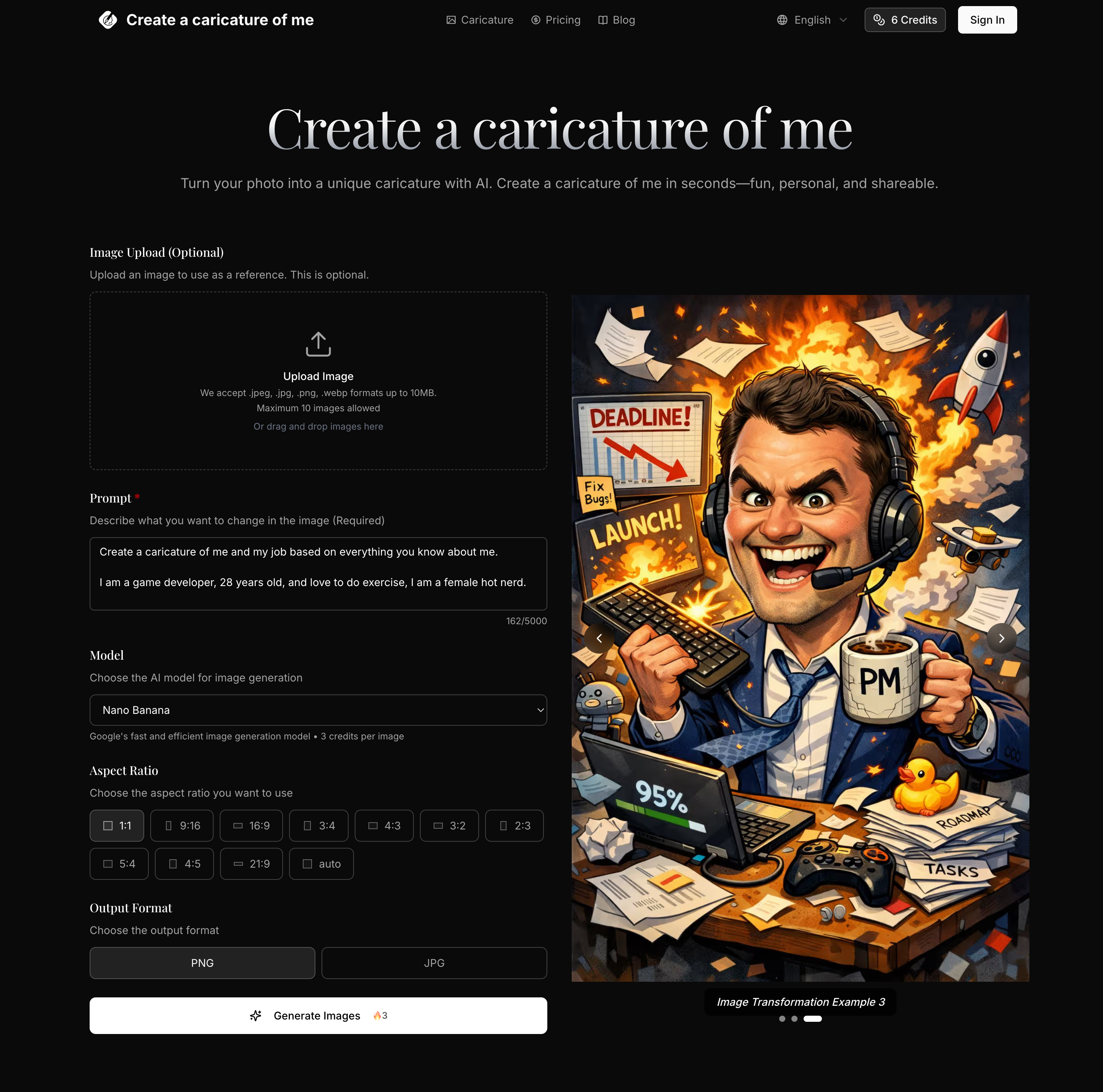
Image to Image uses your existing image as a starting point, maintaining its core structure while applying transformations. Text to Image creates completely new images from text descriptions with no visual reference point.
The best results come from clear, well-lit images with defined subjects. The system works with portraits, landscapes, product photos, and more. For optimal results, use images that match your desired output aspect ratio.
You can control transformation strength to determine how closely the output resembles your original image, specify detailed prompts to guide the AI, and generate multiple variations to choose from.
Most transformations complete in seconds, with more complex changes taking up to a minute. You can generate multiple outputs simultaneously to explore different options efficiently.
We accept JPEG, PNG and WEBP formats up to 24MB and 4096 x 4096 pixels. Output images are provided in high-quality formats optimized for your intended use.
Yes, paid subscription plans include commercial licensing rights, allowing you to use transformed images for business purposes including marketing, advertising, and product displays.
Free users can transform a limited number of images per day. Paid plans offer higher limits and additional features. Check our pricing page for detailed information on usage limits and subscription benefits.
From a functional and technical perspective, the FAQ highlights how a modern AI tool can bring both flexibility and precision to the Image Generation process. One of the most important distinctions emphasized is the difference between Image-to-Image and Text-to-Image generation. Image-to-Image workflows use an existing visual input as a foundation, preserving its structure while applying stylistic or creative transformations. In contrast, Text-to-Image generation creates entirely new visuals from descriptive prompts with no prior reference. This dual capability reflects how advanced AI tools are evolving to support both controlled editing and fully generative creativity within the same ecosystem.
Another key takeaway is the importance of input quality. The FAQ clearly points out that well-lit images with clearly defined subjects produce the best results. This reinforces a broader principle in Image Generation: the better the source material, the more accurate and visually appealing the output. Whether working with portraits, product photos, or landscapes, users can significantly improve outcomes by aligning input images with their intended output format and composition.
Control is also a major strength of this AI tool. Users are not limited to one-click results—they can adjust transformation strength, refine prompts, and generate multiple variations. This level of customization is essential for creators who want to balance originality with consistency, especially in professional scenarios such as branding or marketing. It allows for iterative experimentation, which is a core advantage of AI-driven Image Generation compared to traditional manual editing.
Speed and efficiency further enhance the user experience. Most transformations are completed within seconds, with slightly more complex tasks taking up to a minute. This rapid turnaround enables users to test multiple creative directions in a short time, making the workflow highly productive and scalable.
From a practical standpoint, the support for common formats like JPEG, PNG, and WEBP, along with high-resolution outputs up to 4096 × 4096 pixels, ensures compatibility across digital platforms and professional use cases. Additionally, the availability of commercial licensing under paid plans makes this AI tool viable for business applications, including advertising and product visualization.
Overall, the FAQ demonstrates that this AI tool delivers a well-rounded Image Generation experience—combining control, speed, flexibility, and professional-grade output—making it suitable for both creative exploration and real-world commercial use.

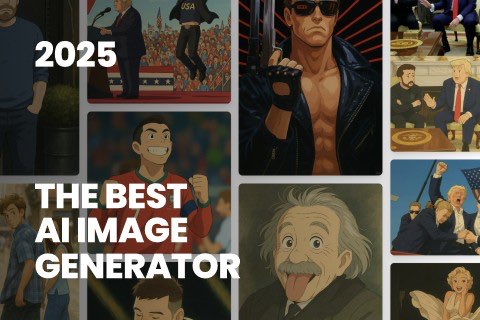
This comprehensive guide explores the best AI image generators available in 2026, highlighting their unique features, strengths, and ideal use cases. We'll dive deep into each tool's capabilities to help you identify which AI image generator best suits your creative needs.
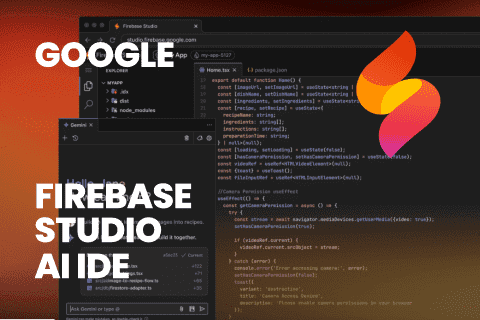
Google has just launched a powerful AI IDE code editor — now you can really vibe while coding
The best AI Model And AI Tools in 2026,The Most Popular Free AI Model And AI Tools.