Subscribe to AI newsletter
Your data is completely secure with us. We don't share it with anyone.
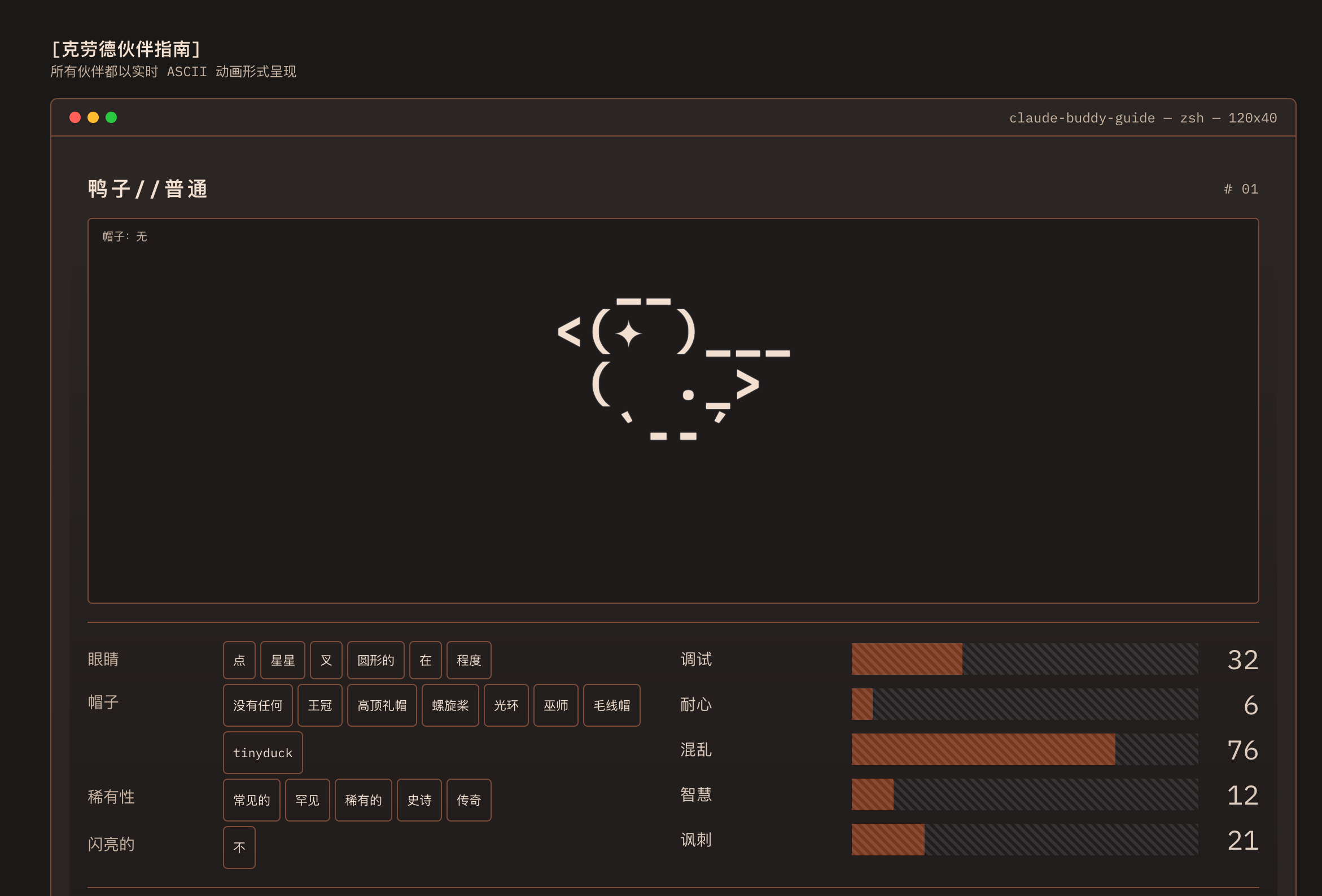
In the rapidly evolving landscape of developer productivity, the emergence of innovative AI tools is redefining how programmers interact with their workflows. One standout example is Claude Buddy Guide, a unique and creative approach to Code Assistance that blends functionality with personality. Unlike traditional coding assistants that operate purely as invisible utilities, Claude Buddy introduces a companion-based interface that enhances both efficiency and user experience.
At its core, Claude Buddy Guide presents a lightweight companion layer integrated into a coding environment. Instead of overwhelming users with complex prompts or rigid automation, it introduces interactive ASCII-based “buddies” that live alongside the developer’s terminal. These companions are not just decorative—they embody different traits such as debugging ability, patience, and even humor, offering subtle yet meaningful support during coding sessions.
What makes this AI tool particularly compelling is its balance between utility and engagement. Developers can activate the system with a simple command and instantly receive a customizable companion with distinct attributes, rarity levels, and behaviors. This gamified layer transforms mundane coding tasks into a more dynamic and enjoyable process, without disrupting the core workflow.
From a Code Assistance perspective, Claude Buddy Guide represents a shift toward more human-centric AI design. Rather than acting solely as a problem-solving engine, it introduces continuity and presence—two elements often missing in conventional AI assistants. By maintaining a persistent identity within the coding environment, it helps developers stay focused, reduces fatigue, and adds a sense of companionship during long development cycles.
Moreover, Claude Buddy Guide demonstrates how modern AI tools are evolving beyond pure functionality into experiential design. It reflects a broader trend where AI is not only about efficiency but also about improving the emotional and cognitive experience of users. This is especially valuable for developers who spend extended hours in isolated environments.
In conclusion, Claude Buddy Guide is more than just a novelty—it is a forward-thinking AI tool that reimagines Code Assistance through interaction, personalization, and presence. By combining technical utility with creative design, it sets a new direction for how AI can seamlessly integrate into the developer’s daily workflow.
Claude Buddy Guide stands out as a highly creative AI tool that reimagines how developers experience Code Assistance by blending functionality with personality-driven interaction. Unlike traditional coding assistants that focus purely on output efficiency, Claude Buddy Guide introduces a companion-based layer inside the development workflow, offering a fresh perspective on how AI can support programmers in a more engaging and human-centered way.
At its core, Claude Buddy Guide functions as a lightweight terminal companion system built into a coding environment. Instead of acting as a full secondary assistant, it operates as a subtle presence alongside the developer’s input interface, using ASCII-rendered characters that animate in real time. These companions are not just visual elements—they are designed with distinct attributes such as debugging ability, patience, chaos, and wisdom, which simulate different “personalities” that can influence how developers perceive and interact with their coding sessions.
What makes this AI tool particularly compelling in the context of Code Assistance is its emphasis on continuity and presence. Traditional AI coding tools often feel transactional—developers input prompts and receive responses, with little sense of ongoing interaction. Claude Buddy Guide challenges this paradigm by maintaining a persistent companion that exists alongside the workflow, offering a sense of companionship during long and often isolating coding sessions. This design aligns with emerging trends in AI, where assistants are evolving from passive tools into active collaborators that remain contextually present.
Another notable aspect of Claude Buddy Guide is its gamified system of rarity, customization, and interaction. Users can generate companions with different traits, customize their appearance (such as hats, eyes, and “shiny” status), and even interact with them through simple actions. This gamification layer adds an element of fun and personalization, transforming routine programming tasks into a more engaging experience without interfering with productivity.
From a broader perspective, Claude Buddy Guide reflects a shift in how AI tools are being designed—not just for efficiency, but for emotional engagement and user experience. By combining Code Assistance with interactive design, it introduces a new category of AI-enhanced developer tools that prioritize both productivity and enjoyment.
In conclusion, Claude Buddy Guide is more than just a novelty feature; it represents an innovative direction for AI tool development. By integrating companionship, customization, and lightweight assistance into the coding process, it demonstrates how Code Assistance can evolve into a more immersive and human-centric experience, ultimately redefining the relationship between developers and their tools.



This comprehensive guide explores the best AI image generators available in 2026, highlighting their unique features, strengths, and ideal use cases. We'll dive deep into each tool's capabilities to help you identify which AI image generator best suits your creative needs.
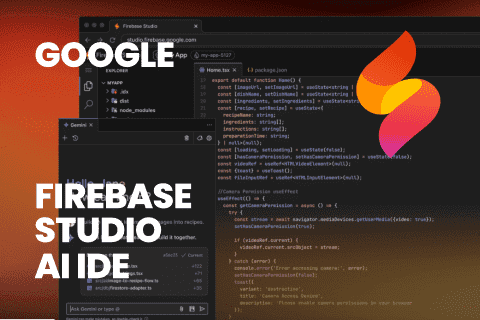
Google has just launched a powerful AI IDE code editor — now you can really vibe while coding
The best AI Model And AI Tools in 2026,The Most Popular Free AI Model And AI Tools.